
Seal every entry point, remove food and moisture, and check your property each season. That simple routine stops most pest problems on Gabriola Island before they start. This Pest Prevention Guide for Gabriola Island Residents explains how to do it step by step, based on how island homes, weather and ferry travel actually work.
Quick Answer: How Do You Prevent Pests on Gabriola Island?
You prevent pests on Gabriola Island by doing five things consistently:
-
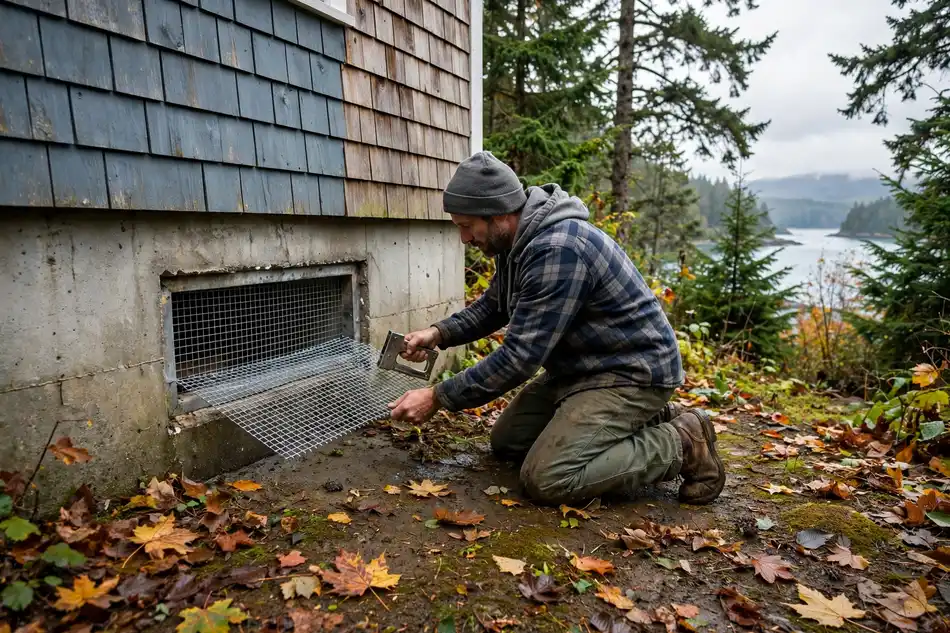
- Seal gaps larger than a pencil width around foundations, vents, pipes and rooflines.
- Store food, pet feed and garbage in sealed containers.
- Fix leaks and reduce damp areas in crawlspaces, basements and under decks.
- Keep firewood, shrubs and debris away from the house.
- Inspect luggage, used furniture and delivered materials that arrive by ferry.
Everything below explains why each step matters and when to do it.
Why Gabriola Island Homes Face Unusual Pest Pressure
Gabriola Island sits in the Salish Sea, a short BC Ferries ride from Nanaimo Harbour to Descanso Bay. That setting creates a different pest picture than a mainland suburb.
- Damp coastal weather. Rain, fog and humidity keep wood, soil and crawlspaces moist. Moisture draws carpenter ants, silverfish, spiders and even dampwood termites.
- Forest edges everywhere. Many homes sit beside coastal Douglas fir, arbutus and salal. Mice, rats and squirrels live close by and look for warm shelter when temperatures drop.
- Wells, septic systems and outbuildings. Sheds, workshops, chicken coops and storage barns are common. Each one offers food or nesting spots if it is not sealed well.
- Vacation rentals and visitors. Summer travellers, seasonal residents and contractors bring bags, boxes and furniture across the water. Hitchhiking pests such as bed bugs travel the same way.
- Island logistics. You cannot always get a technician within the hour, so prevention saves both money and stress compared with waiting for an infestation to grow.
Your Seasonal Pest Prevention Calendar
Most homeowners deal with pests only after they appear. Use this guide as a yearly checklist instead, and you will stay ahead of them.
Spring (March to May): Ant and Wasp Season Begins
- Inspect windowsills, baseboards and kitchen counters for foraging ants.
- Look for fine sawdust, called frass, near beams, decks and window frames. It can signal carpenter ants.
- Check eaves, sheds and attic vents for early wasp activity. Queens build small nests in spring, and early removal is far easier than dealing with a full colony in August.
- Clear gutters so water does not pool against the foundation.
Summer (June to August): Protect Food, Water and Outdoor Spaces
- Keep compost covered and turn it often.
- Store pet food and bird seed in metal or heavy plastic bins.
- Dump standing water from planters, buckets and tarps to limit mosquitoes.
- Watch for yellowjackets near garbage bins and patio tables.
- Inspect luggage and bedding after guests stay over.
Fall (September to November): Rodent Season
This is the most important window. As nights cool and rain returns, mice and rats move toward warm buildings.
- Walk your home’s exterior and seal gaps with steel wool, metal flashing or exclusion mesh. Foam alone will not stop a rodent, because they chew through it.
- Install door sweeps and repair damaged weather stripping.
- Cover roof, soffit and crawlspace vents with sturdy metal screening.
- Stack firewood off the ground and at least a metre from the house.
Winter (December to February): Monitor and Maintain
- Check attics, garages and crawlspaces monthly for droppings, gnawing or nesting material.
- Listen for scratching in walls at night.
- Keep storage areas tidy. Cardboard boxes make perfect rodent nests, so switch to sealed plastic totes.
Room by Room and Yard Checklist
Foundation and Crawlspace
Crawlspaces are the number one entry route on many coastal homes. Repair cracks, replace damaged vents and make sure vapour barriers are intact. If the space smells musty or feels damp, fix the moisture source first, because moisture invites both ants and termites.
Roof, Soffits and Attic
Squirrels and roof rats climb well. Trim branches so they sit at least two metres from the roofline, and inspect soffits for gaps. Roof rats prefer to nest off the ground, so attics are a favourite spot.
Kitchen and Pantry
Store dry goods in glass or hard plastic. Wipe crumbs and grease daily, and do not leave pet bowls out overnight. Ants and mice need only tiny amounts of food to settle in.
Garbage, Compost and Recycling
Use bins with tight lids and rinse recyclables. Keep compost in rodent resistant containers. Rats and raccoons can smell open waste from a long way off.
Garden, Chicken Coops and Outbuildings
Chicken feed is one of the biggest rat attractants on rural properties. Use metal feeders with lids, collect eggs daily and pick up spilled grain each evening. Raise coops slightly off the ground and use hardware cloth with half inch openings, not chicken wire, which rodents chew through easily.
The Ferry Factor: Stop Bed Bugs and Hitchhiking Pests Before They Arrive
Bed bugs do not end up on islands by accident. They get carried in. A few habits lower the risk:
- Keep luggage off beds and upholstered chairs when travelling.
- After a trip, unpack on a hard floor and wash clothes on high heat.
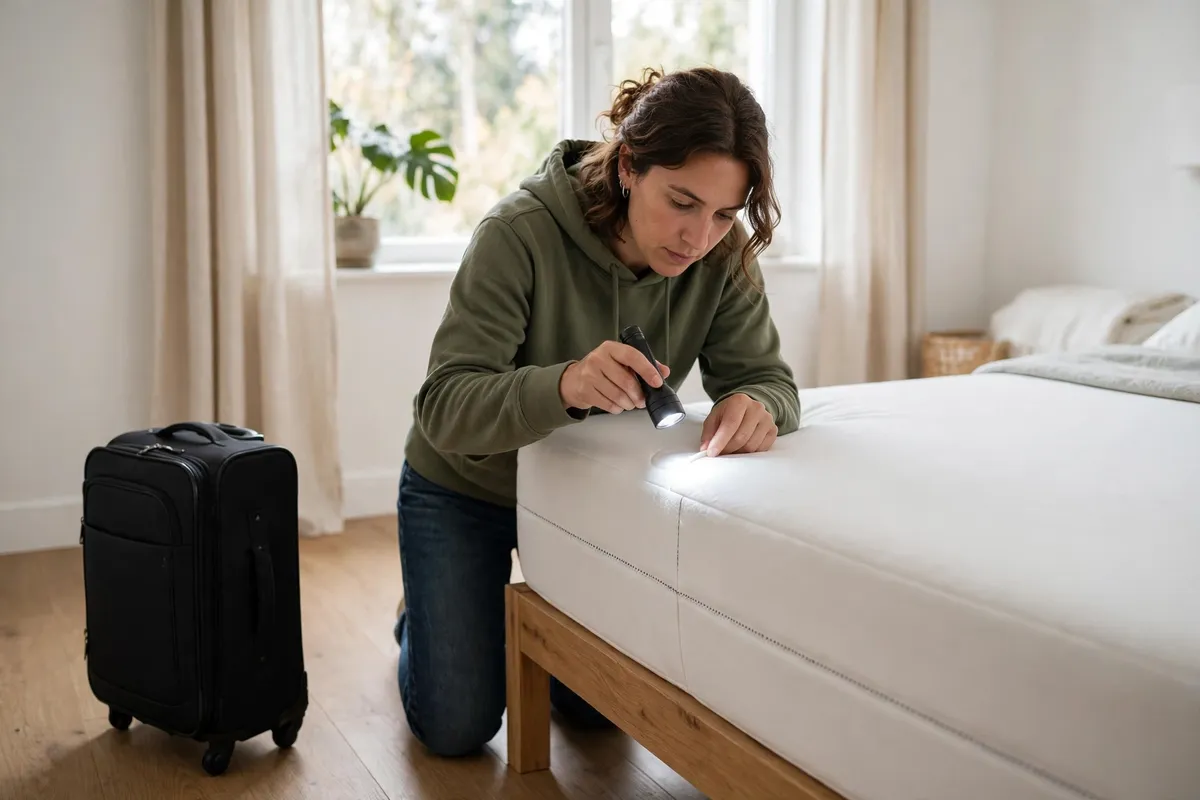
- Inspect used furniture, mattresses and thrift store items before bringing them inside.
- Break down delivery boxes outdoors and recycle them quickly. Cardboard shelters cockroaches, silverfish and spiders.
- If you run a short term rental, inspect beds and seams between guests.
Signs of bed bugs include tiny rust coloured spots on sheets, shed skins near mattress seams, and itchy bites in a line or cluster.
Wildlife Safe Prevention: Protect Owls, Eagles and Pets
Gabriola residents care about local wildlife, and pest control should respect that. Strong rodenticides can travel up the food chain when owls, hawks, eagles or pets eat poisoned rodents.
A safer approach follows Integrated Pest Management, often called IPM:
- Inspect to find where pests enter and why they came.
- Exclude by sealing the entry points.
- Remove attractants such as food, water and shelter.
- Use targeted control, like snap traps placed in tamper resistant stations.
- Monitor to confirm the problem is gone.
Sealing and sanitation do the heavy lifting. Treatments are the backup, not the starting point.
DIY or Professional: When Should You Call for Help?
You can handle many small jobs yourself, such as sealing visible gaps, cleaning up food sources and trimming vegetation. Call a licensed professional when you notice:
- Droppings or gnaw marks that keep returning
- Scratching sounds inside walls or the attic
- A wasp nest larger than a golf ball, or one near a door or deck
- Sawdust piles, hollow sounding wood or winged insects indoors
- Bed bug bites or sightings
- Any pest activity in a home with infants, seniors or vulnerable pets
A trained technician finds entry points you cannot see and treats the cause, not only the symptom. To learn more, see our pages on rat and mice control, wasp nest removal, bed bug treatment, and when DIY works and when it does not.
Choosing help carefully matters on the island too — here is how to choose a pest control company in Nanaimo before you hire.
Frequently Asked Questions
What pests are most common on Gabriola Island?
Mice, rats, carpenter ants, spiders, yellowjackets and silverfish are the usual problems. Bed bugs also appear because of ferry travel and short term rentals.
When is the best time to pest proof my home?
Early fall. Rodents look for warm shelter once the weather turns cool and wet, so sealing gaps in September or October gives the best protection.
How do I keep rats away from chickens and compost?
Use metal feed bins, pick up spilled grain daily, cover compost, and build coops with hardware cloth and raised floors.
Are pest control treatments safe for pets and wildlife?
Many modern treatments are low toxicity and applied only in targeted areas. Ask your provider about pet safe and wildlife safe options before any service.
Can I prevent bed bugs when travelling on the ferry?
Yes. Inspect luggage, keep bags off beds, wash travel clothes on high heat and check second hand furniture before bringing it inside.
How often should I inspect my property?
Do a quick walk around each season, and check attics, sheds and crawlspaces monthly during fall and winter.
Final Thoughts
Good prevention is not complicated, but it does need to be regular. Seal the gaps, remove the food and water, follow the seasons and be careful about what arrives on the ferry. Keep this guide handy and revisit it every spring and fall.
If you find signs of activity or want a professional inspection, our licensed team in Nanaimo can help you identify the problem and recommend a safe, effective plan. Contact us through our website to ask about service for your area of Gabriola Island.