
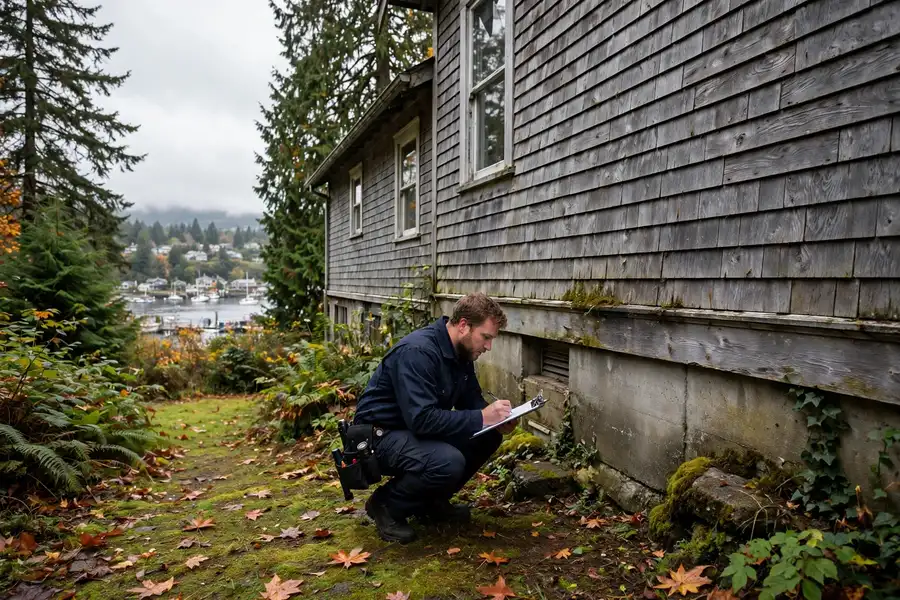
Pest Control Tips for Residents of Ladysmith and Chemainus come down to three habits: seal the entry points, keep moisture under control, and act early before a small problem becomes an infestation. Vancouver Island’s damp climate, tall evergreens and older homes create good conditions for pests, so local habits matter more than generic advice.
Here is what works in the Cowichan Valley and around Stz’uminus, season by season.
Why Pests Love Ladysmith and Chemainus
Both towns sit between the Salish Sea and forested hills. Mild winters mean many pests stay active longer, and heavy fall rain pushes insects and rodents toward dry, warm buildings. Many homes near the Chemainus waterfront or along the Trans Canada Highway corridor were built decades ago, with crawl spaces, wooden siding and cedar or fir framing that can hold moisture.
Add mature trees, blackberry thickets, compost bins and backyard chickens, and you have food, water and shelter close to your walls. Understanding that setup is half the battle.
Seal Your Home First
Exclusion is one of the most reliable forms of prevention. A mouse can squeeze through a gap about the width of a pencil, so check these spots:
- Gaps around pipes, cables and dryer vents
- Cracked foundation edges and damaged door sweeps
- Torn window screens and loose weatherstripping
- Chimney caps, roof vents and soffits
- Crawl space openings
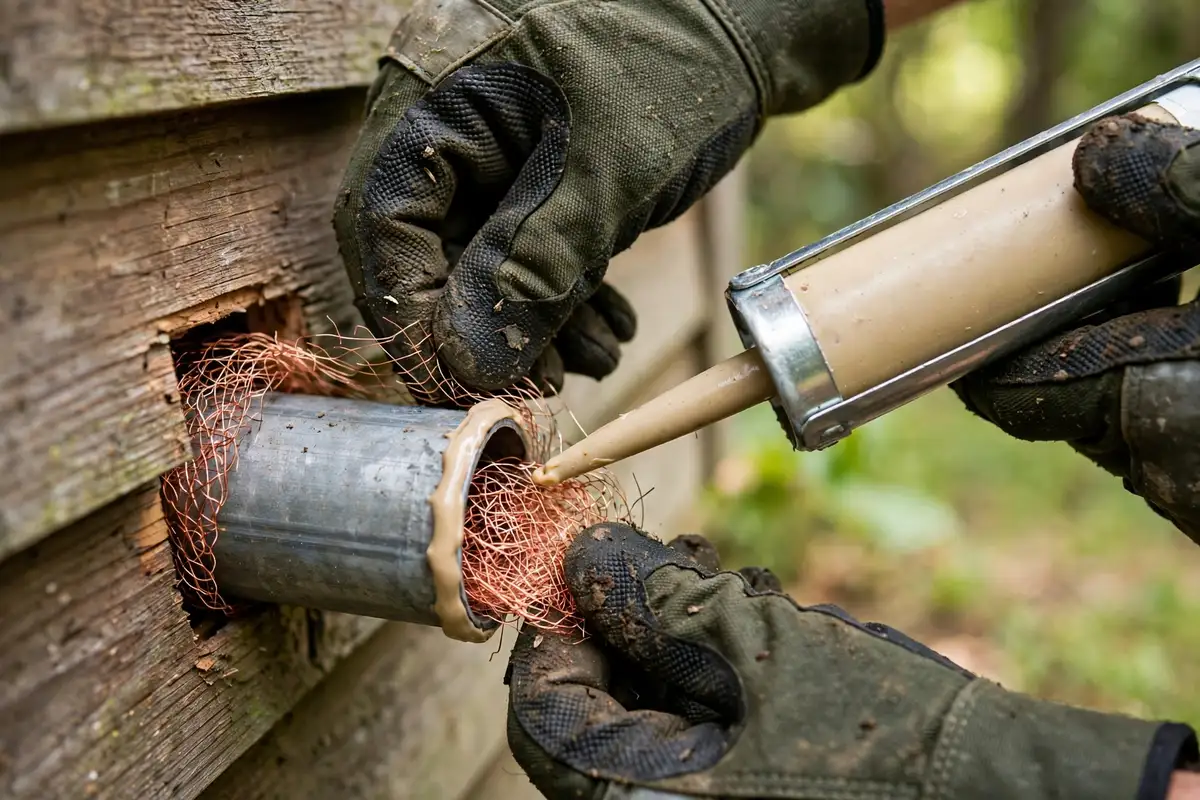
Use steel wool, copper mesh or hardware cloth for small gaps, and caulk or sealant around them. Avoid using plain foam alone, since rodents can chew straight through it. Replace worn door sweeps, especially on garage doors, which are a common rodent entrance.
Fix Moisture Problems Before They Become Pest Problems
Moisture can contribute to several pest problems in coastal British Columbia. Carpenter ants and dampwood termites may be associated with damp or decaying wood, while silverfish and springtails often thrive in humid conditions. Fixing leaks and improving moisture control can help make your home less attractive to these pests.
Walk your property after a heavy rain and look for:
- Gutters that overflow or drain next to the foundation
- Soil piled against siding
- Leaking outdoor taps and hose connections
- Soft or darkened wood on decks, fascia and window frames
- Damp, poorly ventilated crawl spaces
Extend downspouts away from the house, and run a dehumidifier in basements and laundry rooms during winter. Proper crawl space ventilation and a vapour barrier can also help. If you find soft or damaged wood with fine wood shavings or debris nearby, arrange an inspection. These signs may indicate carpenter ant activity or another wood damaging problem, but the cause needs to be confirmed.
Spring Tips: Ants and Early Wasps
Spring is when carpenter ant colonies become active. A few large black ants indoors in March or April can sometimes point to a nearby nest, but ants also wander in from outside looking for food, so one sighting alone does not confirm a problem. Repeated activity along the same route, fine sawdust like debris near wood, or winged ants indoors are stronger signs that a nest may be in a tree stump, a rotting fence post or your own walls.
What to do:
- Trim branches that touch the roof or siding.
- Move firewood off the ground and away from the house.
- Wipe up sweet spills and keep pet food sealed.
- Follow ant trails to find the source instead of only spraying the ants you see.
Spring is a good time to watch for newly established wasp nests. Addressing a nest early may prevent the colony from growing, but avoid disturbing it if you are unsure of the species or the risks. Contact a licensed pest control professional if the nest is near an entrance, roofline or other busy area.
Summer Tips: Wasps, Flies and Outdoor Dining
Yellowjackets and paper wasps are most active in late summer, right when people enjoy patios and barbecues. Keep garbage and recycling bins tightly closed, rinse cans and bottles, and cover drinks outdoors. Fallen fruit from apple and plum trees can draw wasps quickly, so pick it up often.
Avoid removing a large nest yourself with a ladder and a can of spray. Stings can be dangerous, particularly for anyone with an allergy. This is a job for a qualified professional.
Fall Tips: Rodents Move Indoors
When temperatures drop and rain arrives, mice and rats look for warmth. Rodents often get in through garages, sheds, attics and crawl spaces. Warning signs include:
- Droppings along baseboards or in cupboards
- Gnaw marks on food packaging or wiring
- Scratching sounds in walls at night
- Greasy rub marks along walls
Store pantry food in glass or hard plastic containers, keep bird seed in sealed bins, and clear clutter from garages. Be careful with traps and bait around pets and children. Rodents can also chew wiring, so do not ignore signs of activity.
Winter Tips: Cluster Flies, Spiders and Moisture Pests
Winter can bring cluster flies, spiders and silverfish into warm corners of the home. Vacuum them up, reduce indoor humidity, and keep attic and wall voids sealed. Check stored boxes in basements for damp cardboard, which silverfish and other pests often favour.
A Handy Seasonal Checklist
Use this checklist as a simple yearly calendar:
- Spring: inspect wood, trim trees, follow ant trails, watch for new wasp nests
- Summer: manage garbage, pick up fruit, check screens
- Fall: seal gaps, clean the garage, store food properly
- Winter: control humidity, monitor attics and crawl spaces
Safer Choices for Kids, Pets and Gardens
Many families here grow vegetables and keep dogs, cats or chickens, so product choice matters. Start with steps that do not involve chemicals, such as sealing, sanitation and moisture control. If you do use a product, read the label and follow it exactly.
In British Columbia, the storage, sale, transportation and use of pesticides are regulated under the Integrated Pest Management Act and its regulation. Licensing and other requirements can vary depending on the type of treatment and the pesticide involved, so check the Government of British Columbia pesticide legislation page for current details. Integrated Pest Management itself focuses on prevention, monitoring and targeted treatment rather than blanket spraying.
When to Call a Professional
DIY works for minor problems, but call a licensed pest control professional if you notice:
- Repeated ant activity after you have cleaned and sealed
- Rodents inside the walls or attic
- A large wasp or hornet nest
- Signs of termites or structural wood damage
- Bed bugs, which are hard to remove without professional methods
- Pests returning every season
A good provider will inspect the whole property, explain what they find, and recommend a plan with prevention built in. Ask about licensing, products used, warranty and follow up visits before you book.
Frequently Asked Questions
What pests should residents of Ladysmith and Chemainus watch for?
Carpenter ants, wasps and rodents are useful pests to watch for around homes in the area. Moisture, nearby vegetation, accessible food and gaps in the building exterior can contribute to pest problems.
How often should I inspect my home for pests?
Check at least once each season, and after any major storm or plumbing leak.
Are ants in the kitchen a sign of a bigger problem?
Not always. Ants often come inside for food, but repeated activity or large black ants in spring can suggest a nest in or near your walls.
Do I need pest control if I have not seen any pests?
Prevention is usually cheaper than treatment. A yearly inspection can catch hidden moisture and entry points early.
Final Thoughts
Protecting your home comes down to consistency. Follow these tips, stay alert to the changing seasons, and do not wait for a small sign to turn into a costly repair. If pests keep returning, Pest Control Nanaimo can help you explore suitable prevention and treatment options for your property in Ladysmith or Chemainus. Contact our team to discuss your pest concerns and available service options.