
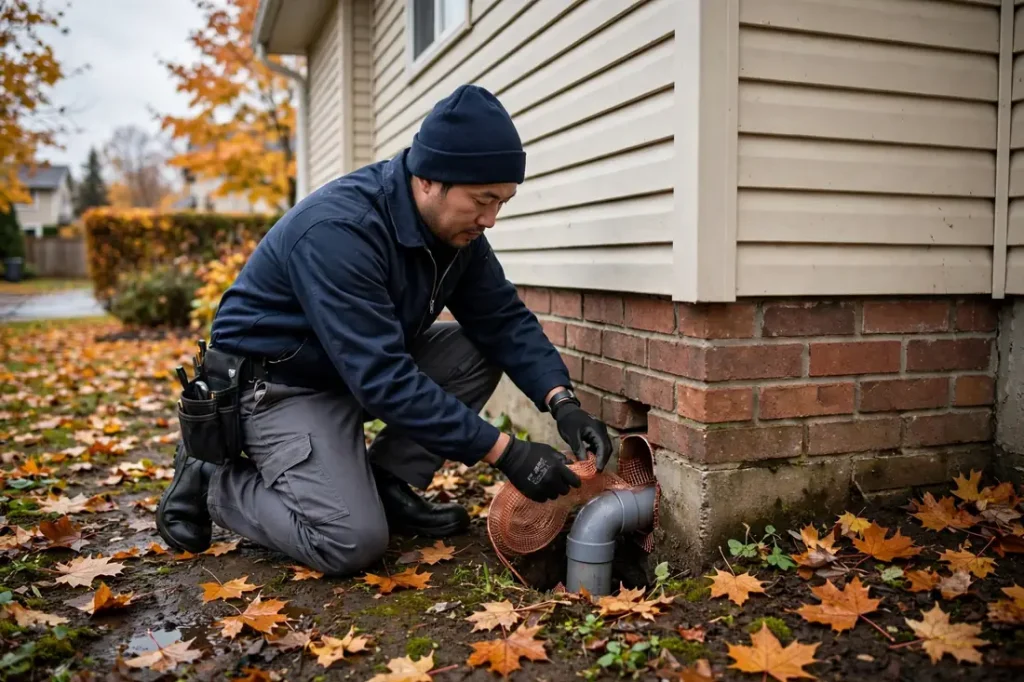
Rodent control in Harewood works best when you do three things: seal every entry point, remove food and shelter, and act the moment you spot droppings. Do these well and most mice and rats move on before they settle in. This rodent control guide for the Harewood neighbourhood explains why south Nanaimo homes can attract rodents, how to spot trouble early, and when it makes sense to call a licensed professional.
Why Harewood Homes Can Attract Mice and Rats
Harewood sits in south Nanaimo, close to the Chase River valley, greenways and wooded pockets. Today the name refers to a neighbourhood in south Nanaimo and the surrounding community. Green space and housing side by side is great for families, and it also gives rodents cover and water close to your fence line.
Three local factors are worth keeping in mind.
- Nearby habitat. Creeks, blackberry thickets and brush near Chase River and the park trails give rodents places to nest and travel.
- Ongoing development. Harewood has seen residential and commercial development alongside Vancouver Island University expansion, and the City describes the area as one in transition, as noted on the City of Nanaimo’s Harewood Centennial Park improvements page. Construction can disturb outdoor areas, so if you notice new rodent activity near a building site, inspect your foundation, garage and crawl space for possible entry points.
- Wet fall weather. When the Island rains arrive in October, rodents look for warm, dry shelter. Attics, wall cavities and stored boxes fit the bill.
Signs You Have a Rodent Problem
Catch the signs early, because rodent populations grow fast. Look for:
- Droppings along baseboards, in drawers or behind appliances. Mouse droppings look like dark grains of rice, while rat droppings are larger and thicker. The size and shape of droppings can tell you which animal you have, and that matters because control methods differ.
- Scratching or scurrying in walls and ceilings, mostly at night.
- Gnaw marks on wood, wiring, cardboard or food packaging.
- Greasy rub marks along walls where rodents travel the same route daily.
- Shredded paper or insulation tucked into a hidden corner.
- A musty, ammonia like smell in a closed space.
How to Stop Rodents Step by Step
Use this guide as a seasonal checklist. Work through it in early fall, then again in spring. For the rest of the year, our pest control tips for Ladysmith and Chemainus cover ants, wasps and moisture pests season by season.
1. Seal entry points
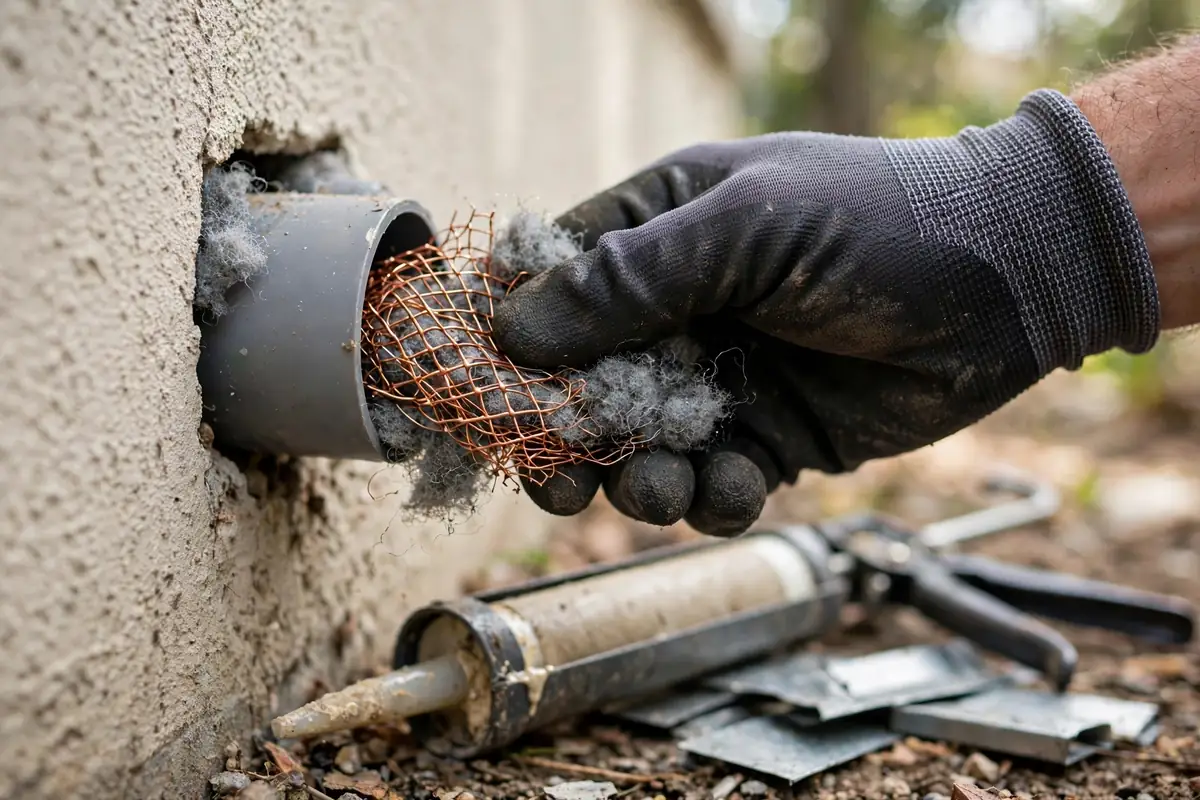
Mice can squeeze through gaps about the width of a pencil, so walk the outside of your home slowly. Check where pipes and wires enter, around dryer vents, garage door seals, foundation cracks and crawl space vents. Steel wool, copper mesh or metal flashing work for small gaps. Rodents chew through foam and plastic, so those make poor fixes. Larger openings need hardware cloth or sheet metal.
2. Remove food sources
Store pantry items, pet food and birdseed in sealed metal or hard plastic containers. Wipe up crumbs, empty garbage regularly and keep bins tightly lidded. If you compost, use a closed bin and keep meat, dairy and cooked food out of it.
3. Eliminate shelter
Stack firewood well off the ground and away from the house. Trim shrubs and branches back from walls and the roofline. Clear leaf piles, old pallets and clutter from the yard, garage and shed. Swap cardboard storage boxes for plastic bins, since cardboard makes an easy nest.
4. Fix moisture problems
Leaky hose bibs, clogged gutters and damp crawl spaces give rodents water. Repair them before the heavy rains start.
Trapping Safely
If you already have activity, snap traps placed along walls and near droppings are a practical first response. Set the trap perpendicular to the wall with the trigger end touching it, and place several close together, because mice nibble and roam short distances. Wear gloves when handling traps or dead animals, and wash your hands afterwards. Check traps daily.
Keep in mind that snap traps can also harm pets and non target wildlife. Enclosed trap boxes reduce that risk, but they do not remove it completely, so place all traps where children and animals cannot reach them. The BC SPCA promotes prevention, exclusion and humane methods in its humane rodent control recommendations, and sealing your home is the step that makes every other method work better.
Why Poison and Glue Boards Are a Poor Choice
Poison often backfires. A poisoned rodent can die inside a wall, leaving odours and attracting flies. It can also harm wildlife further up the food chain. Rodent poisons can kill owls, eagles, cats and dogs that eat poisoned rodents or the bait itself.
British Columbia has restricted second generation anticoagulant rodenticides in residential and non essential commercial settings, though some exemptions exist. That does not mean every rodent poison is banned, so check current provincial rules or ask a licensed technician before using any product.
Glue boards are no better. Animals stuck on them can die slowly from suffocation, dehydration or exposure, and birds and small animals can get caught too.
Health Risks You Should Not Ignore
Rodents are more than a nuisance. They chew insulation, siding and wiring, contaminate food, and can spread disease through bites or contact with contaminated urine and droppings. Chewed wiring is also a fire risk inside attics and walls.
Clean up carefully. Hantavirus has been linked to breathing in dried droppings from wild deer mice, though not to the common indoor house mouse. Follow the steps in HealthLink BC’s rodent prevention and cleanup guidance:
Ventilate an enclosed area for about 30 minutes before you start. Wear gloves, and consider a mask. Carefully wet the droppings with a household disinfectant and let it sit as the label directs. Wipe everything up with paper towels, then wash your hands thoroughly. Never sweep or vacuum dry droppings, because that sends particles into the air.
When to Call a Pest Control Professional
DIY works for a single mouse or a quick fix. Call a licensed pest control company in Nanaimo if any of these apply:
- You hear activity in the walls or attic for more than a few days.
- Traps keep catching animals week after week.
- You see signs of rats, which are larger, smarter and harder to trap.
- You cannot find the entry point.
- You are selling or renting and need documented treatment.
A professional inspection finds the exact gaps rodents use, seals them properly and sets up monitoring so the problem does not return. For landlords and strata managers in Harewood, regular inspections usually cost far less than repairing chewed wiring or insulation.
Harewood Rodent Control FAQ
What is the best way to get rid of mice in a Harewood home?
Seal entry points, remove food and shelter, and use snap traps along walls. If activity continues after a week, book a licensed technician.
When are rodents most active in Nanaimo?
Fall and early winter, when cold wet weather pushes them indoors. Spring can also be busy because of nesting.
How do I tell a mouse from a rat?
Check droppings and gnaw marks. Mouse droppings are small and rice sized, while rat droppings are noticeably larger, and rats leave bigger gnaw marks.
Is poison safe around pets?
It carries real risk. Pets and wildlife can be poisoned directly or by eating a poisoned rodent, so exclusion and trapping are safer choices.
Can nearby construction cause rodent activity?
It can disturb outdoor areas, so if you see new activity near a building site, inspect your foundation, garage and crawl space.
Final Thoughts
Keeping rodents out is a matter of habit, not luck. Seal gaps in fall, keep food locked away, tidy the yard and respond fast at the first sign of droppings. If you follow this rodent control guide for the Harewood neighbourhood each season, you will protect your wiring, your pantry and your family’s health.
Need Help With Rodents in Harewood?
If mice or rats keep returning despite your prevention efforts, a professional inspection can identify entry points and ongoing activity. Contact our team to discuss rodent control options for your Nanaimo property.